
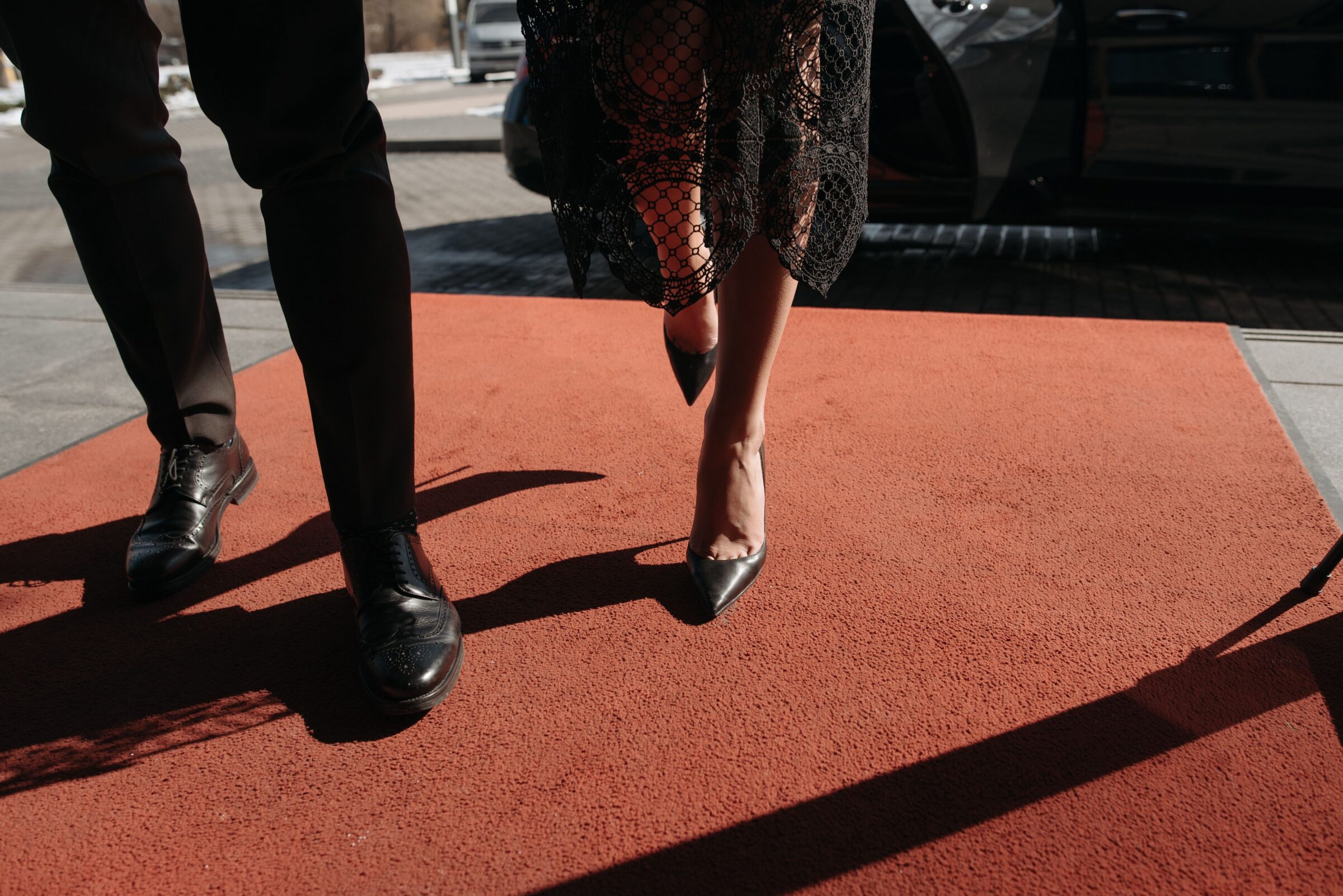
I’ve worked on books by Hall of Famers and All-Stars, Senators and representatives, TV and movie stars, major journalists, top CEOs, and rock stars in various fields (as well as actual rock stars). So I’m often asked, What’s it like to work with celebrities? And the fact is, it’s largely like working with anyone else. Ink goes on paper. Paper goes on shelves.
Can media attention, massive salaries, and expectations of adoration make some people into monsters? Sure. Can being in a luxe bubble in which they are catered to, deferred to, and pampered like a Persian cat turn people into careless sociopaths? Absolutely. For the most part, though, celebrities are no more monstrous than anyone these days.
Tellingly, over my career, I’ve ended up working with someone who turned out to be a titanic asshole about every ten years. This person has never been an actual celebrity. And they are the exception that proves the rule: celebrities, like 99.9% of authors, are great to work with.
They’re professional. They’re personable. They’re kind. Is this attitude just an act, a cover for connivance, especially for those who are actually actors? Maybe. Is this attitude a defense against being called out for terrible behavior in the media? Perhaps. But what does it matter? If someone’s nice to you, appreciate it. And if you’re nice to someone, generally they’ll be nice back. People are people.
Celebrities weren’t born celebrities. They were someone with a dream who sacrificed an incredible amount and who worked far harder and longer than most ever have to achieve it. If anything makes a celebrity unrelatable, it’s probably that drive. Of course, that’s what will make them great to work with. If you want to play with the best, you have to rise to the occasion and be your best.
For me, working with celebrities came down to a single conversation. I was having dinner with Ernie Banks at Jean-Georges, and he mentioned that he was going to see A-Rod afterwards. I said, “I have no idea what I’d talk to him about.” Ernie said, “You’re talking to me, aren’t you?” Good point! Let’s play two.
All that said, there are a few significant challenges when working with celebrities, none of which really have anything to do with the celebrity themself.
Scheduling with Celebrities is Usually Harder than with Other Clients
Someone at the peak of their profession typically has a packed calendar—one they probably didn’t create themselves. So you have to work within it, understanding that it might change on a dime.
1. Claim your space on the celebrity’s schedule.
Lay out your project’s timeline in detail up front, albeit in pencil, and you’ll generally be fine.
2. Avoid the busy times.
Everyone has downtime, including celebrities. Politicians are easier to work with when, say, Congress is out of session. Musicians, when they aren’t on tour or in the studio. Athletes, during the off-season or, when in season, during their off-days. Movie and TV stars, between films and shooting seasons. That said, the publication date of the celebrity’s book should be scheduled for when they are in the midst of something big, such as a musician’s tour or a movie launch, so you can glom onto that publicity.
3. Keep your team in the loop.
As with any author, when a celebrity’s schedule changes, you’ll have to adjust your editorial and publishing schedule. Make sure everyone involved knows about this change so they can adjust and raise any potential issues before they become kinetic. The trick to avoiding friction and removing ego from such a dynamic situation is to keep everyone focused on the common goal: doing whatever it takes to make the best possible book.
Fortunately, celebrities are better than most authors about sticking to a schedule. And retired celebrities are the best because, like all retirees, they’re usually looking for something to do, especially after having spent decades being trained to follow a heavy schedule.
Collaborating with Schedulers and Other Gatekeepers is Part of the Process
Celebrities aren’t just beholden to a schedule; they’re beholden to the people who keep that schedule for them and gatekeep their time and attention. The single most important person in any organization, for example, isn’t the CEO; it’s the executive assistant who maintains the calendar because what gets on that calendar dictates the priorities of the day.
1. Be the assistants’ ally.
These people have a job to do, so help them do their job instead of treating them like a challenge to be defeated. And their job is to keep their celebrity satisfied (or at least not dissatisfied). As Lucy Autrey Wilson, George Lucas’s assistant on Star Wars, told me: “My job is to make sure that when the phone doesn’t ring, it’s George.”
2. Go through established channels.
Never try to end-run the celebrity’s people, whom the celebrity knows and trusts more than you. If you do, you will get smacked hard at the line, probably by the celebrity themselves, and perhaps be taken out of the game.
3. Understand their mindset.
As an editor, you’re playing a finite game, to use Simon Sinek’s metric. When the book’s done, your job is also done, and your relationship with the celebrity is over. But the celebrity’s people are playing an infinite game. They want to stay employed. Help them stay employed.
And remember why the celebrity keeps these people employed: they are good at their jobs. They effectively represent, enact, and enforce the celebrity’s desire and will. So treat them respectfully as extensions of the celebrity, and they will help you.
Setting the Right Boundaries is Crucial
You’re probably working with a celebrity because you admire them, their work, and their craft. You also know far more about them thanks to the media than they will ever know about you. But however much of a fan you are, you don’t know them. You aren’t their friend. In the course of working on the book, yes, you will develop a solid working relationship with them. And if the book is a memoir, you will take on elements of being a friend through asking good questions, listening constructively, and thereby developing trust (although, in my experience, this is more like becoming their therapist).
How to navigate this situation?
1. No squeeing.
Show appreciation and knowledge of a celebrity’s work, which is always flattering. Don’t throw yourself at their feet, though.
2. Keep questions professional.
As someone who’s overly curious about pretty much everything, I’d say the best part of my job is working with experts whom I can ask questions. And celebrities are experts in their respective fields. The questions you ask them, though, should always be related to the project, never personal. After all, that’s the basis of your relationship. And, being experts, they likely want to talk about their field! They will appreciate being prompted respectfully.
3. Challenge respectfully.
By asking relevant questions about the book, you build up the trust that then allows you to ask the tough questions, the challenging questions, the ones that will help you straighten out a celebrity’s bullshit, misunderstandings, or (most often) their avoidance of the truth. If they resist sharing the truth, remind them that their open, honest answers are really a test for the whole book; if a reader can’t trust their answers to the hard questions, why should the reader trust anything else in the book? The truth must come out.
Finally, here’s the biggest secret about working with celebrities. They might have their faces on screens, billboards, and acres of the internet. They might eat lunch in a fancy restaurant, their meal perhaps paid for by your tax dollars. They might have a room full of trophies or a plaque in a museum somewhere. They might stand on stage every night and make tens of thousands of people roar just by raising their hand. Tens of millions might dress like them.
But celebrities don’t know books like you do. They have probably never met the authors they squee over. They might not even know as many celebrities as you. They’re surely not as well-read. So look at your working relationship through their eyes: You’re in publishing. To them, you are the celebrity.
Just don’t lord it over them.
Written by Stephen S. Power, Executive Editor at KAA
Stephen S. Power is a nearly 35-year publishing veteran. At Kevin Anderson, he builds books from the ground up: working with authors and ghostwriters, strategizing marketable ideas, developing outlines, editing manuscripts, and writing book proposals for placement with agents or publishers. Several of his proposals have sold for six-figure advances, and many of the books he’s worked on have become New York Times, USA Today and PW bestsellers.
Categories:
Uncategorized